Does Strength Training Actually Help With Hot Flashes? Here's What the Evidence Says
Quick Answer: Strength training doesn’t eliminate hot flashes, since they’re driven by hormonal changes during perimenopause and menopause, but regular resistance training is associated with reduced hot flash frequency and severity for many women, likely through improved thermoregulation, better sleep, and reduced overall stress load — it’s a supportive tool, not a replacement for medical treatment when needed.
Does strength training help hot flashes? Meaningfully, for many women — though ‘help’ means fewer and milder episodes, not a guarantee of eliminating them entirely, and understanding that distinction matters for setting realistic expectations.

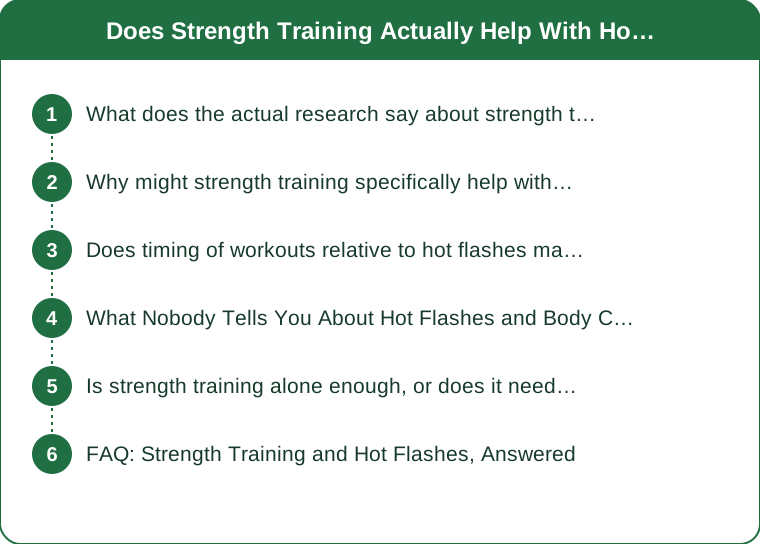
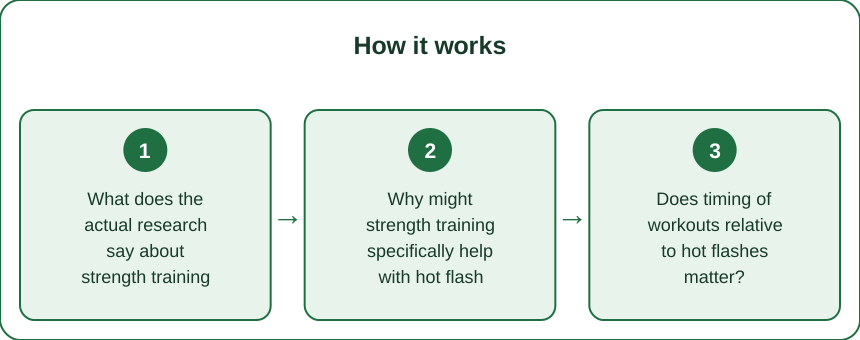
What does the actual research say about strength training and hot flash frequency?
Several studies on exercise interventions during perimenopause and menopause have found associations between regular resistance training and reduced hot flash frequency and severity, though results vary by study and individual, and strength training’s specific role is generally studied alongside cardiovascular exercise rather than always in complete isolation, making it hard to credit strength training alone with the full effect in every study.
Why might strength training specifically help with hot flash symptoms?
The proposed mechanisms include improved thermoregulation from more consistent physical conditioning, better sleep quality (which is often disrupted by hot flashes themselves, creating a difficult cycle), and reduced overall stress and cortisol levels, since chronic stress is a known amplifier of hot flash frequency and intensity — strength training’s broader health benefits appear to indirectly support several of the systems involved in hot flash regulation.
Does timing of workouts relative to hot flashes matter?
Some women report that intense exercise can trigger a hot flash in the short term due to the temporary rise in core body temperature during a workout, which is a different, immediate effect distinct from the longer-term frequency reduction associated with consistent regular training — meaning a single workout might coincide with a flash, while a consistent months-long training habit is more associated with overall improvement.

What Nobody Tells You About Hot Flashes and Body Composition
Most hot flash advice focuses on hormones and triggers like caffeine or spicy food, but nobody tells you that higher body fat percentage is independently associated with more frequent and severe hot flashes for many women, and strength training’s effect on body composition over time — building muscle and supporting healthier body composition — may be part of why consistent resistance training correlates with symptom improvement, separate from any direct hormonal mechanism.
Is strength training alone enough, or does it need to be combined with other approaches?
For many women, strength training works best as part of a broader approach that may include cardiovascular exercise, stress management, sleep hygiene, and for some, medical treatment discussed with a doctor (including hormone therapy where appropriate) — strength training is a genuinely useful, low-risk tool to add, but it isn’t positioned as a standalone replacement for medical guidance when symptoms are significantly disruptive.
FAQ: Strength Training and Hot Flashes, Answered
How much strength training is typically studied in relation to hot flash improvement?
Most supportive research involves at least two to three sessions per week of moderate resistance training sustained over several months, rather than occasional or short-term workouts.
Should someone experiencing severe hot flashes talk to a doctor before starting a new training program?
Yes — while strength training is generally safe for most people, discussing significant menopause symptoms with a doctor helps rule out other causes and identify whether additional treatment alongside exercise is appropriate.
Does strength training help with other menopause symptoms besides hot flashes?
Yes — resistance training is also associated with benefits for bone density, mood, sleep quality, and muscle mass preservation during and after menopause, making it a broadly useful habit beyond hot flash management specifically. This is general information, not medical advice.
TL;DR:
- Research associates regular strength training with reduced hot flash frequency and severity for many women
- Proposed mechanisms include better thermoregulation, sleep quality, and stress reduction
- A single intense workout may coincide with a flash even as long-term training helps overall
- Strength training works best alongside broader approaches, including medical guidance when needed
This is general information, not medical advice — a doctor can help tailor a plan to individual symptoms. Strength training won’t erase hot flashes, but the evidence for it meaningfully reducing their frequency and intensity is real enough to make it worth prioritizing.
Keep Reading
This article is for general informational and styling purposes only. Fit, sizing, and product availability may vary.