Does Strength Training Really Help With Hot Flashes? Here's What the Pattern Actually Looks Like
Quick Answer: Strength training doesn’t directly stop hot flashes the way medication can, but consistent training is associated with fewer and less intense hot flashes for many women over 8-12 weeks, likely through improved body temperature regulation and reduced overall stress load. It’s a real, moderate benefit — not a cure.
Someone told you strength training helps with menopause symptoms, and you started a program hoping hot flashes specifically would ease up. A few weeks in, you’re wondering whether it’s actually working or whether you’re just imagining improvement. Here’s what the pattern genuinely looks like.

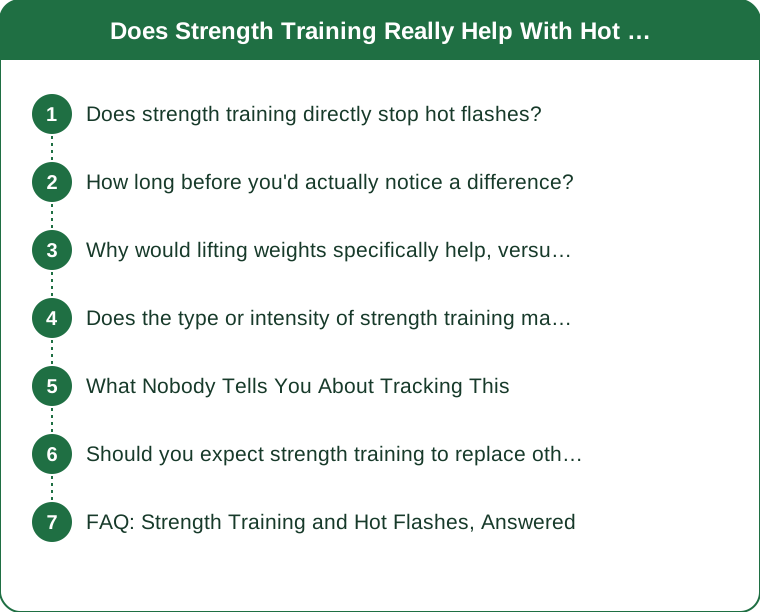
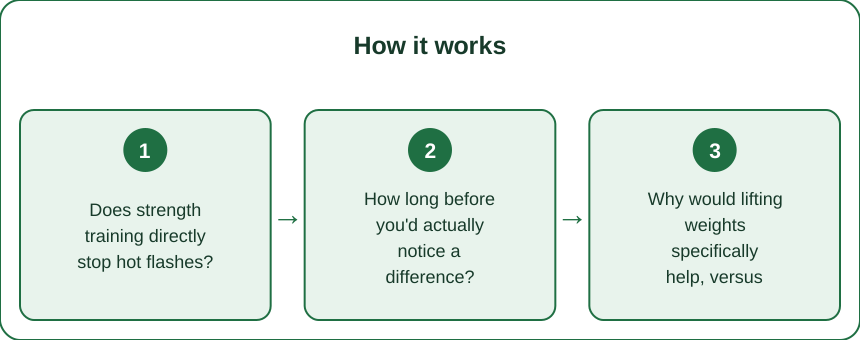
Does strength training directly stop hot flashes?
Not directly, no — hot flashes are driven by hormonal shifts affecting your hypothalamus’s temperature regulation, and strength training doesn’t reverse that hormonal shift. What it does appear to do, based on the pattern many women report and some research supports, is improve your body’s overall thermoregulatory efficiency and reduce the frequency of the more severe flashes over consistent training.
How long before you’d actually notice a difference?
Most women who notice a change report it starting around 8-12 weeks of consistent training, not days or even the first few weeks. This is a slower timeline than people expect, and it’s a common reason people quit right before they’d have noticed anything — the body’s stress-response and temperature-regulation adaptations from training take months, not days, to show up meaningfully.
Why would lifting weights specifically help, versus cardio?
Strength training in particular seems to help through improved stress hormone regulation — cortisol patterns that are already disrupted during perimenopause and menopause respond well to resistance training’s specific stress-then-recovery cycle. Since stress and cortisol spikes are known triggers for hot flash episodes in many women, better-regulated stress response may reduce trigger frequency, even without directly changing hormone levels driving the hot flashes themselves.

Does the type or intensity of strength training matter?
Moderate, consistent training — 2-3 sessions a week at a real working effort — appears to matter more than very high intensity or very high frequency. Overtraining, ironically, can itself become a stress-hormone trigger and worsen symptoms for some women, rather than helping. The sweet spot is consistent moderate effort, not maximum intensity.
What Nobody Tells You About Tracking This
Here’s the underrated part: most women can’t tell if training is helping without actually tracking hot flash frequency, because the change is gradual and easy to miss day-to-day. A simple daily count for even 2 weeks before starting, and again at the 8-12 week mark, gives you real data instead of a vague impression — and many women are surprised by the numbers either direction, better or worse than they assumed.
Should you expect strength training to replace other management strategies?
No — for many women, strength training is a genuine complement to (not a replacement for) other management approaches, including medical options when symptoms are significantly disruptive. Framing it as ‘one part of a toolkit’ rather than ‘the fix’ sets more realistic expectations and avoids disappointment if flashes don’t disappear entirely.
FAQ: Strength Training and Hot Flashes, Answered
Can strength training make hot flashes worse in the short term?
A hard training session can transiently raise body temperature and occasionally trigger a flash during or shortly after the workout itself — this is different from the longer-term frequency-reduction pattern, which is the actual goal.
Should I talk to a doctor before starting strength training for this reason?
If you have other health conditions or are new to structured exercise, yes — but strength training itself is broadly safe and recommended for most women in perimenopause and menopause regardless of hot flash impact specifically.
How many hot flashes reduction is ‘realistic’ to expect?
Studies and reported experiences vary widely; a meaningful reduction in frequency and severity over 2-3 months is a realistic goal, not complete elimination for most women.
TL;DR:
- Strength training doesn’t directly stop hot flashes but is linked to fewer, less intense episodes over time
- Expect 8-12 weeks of consistent training before noticing a real pattern change
- Moderate, consistent effort beats very high intensity or frequency for this specific benefit
- Track hot flash frequency for 2 weeks before and after to see the real (not assumed) pattern
Start a simple daily hot-flash count this week, keep training consistently, and recheck the numbers at week 10 — that comparison tells you more than how any single week feels.
Keep Reading
This article is for general informational and styling purposes only. Fit, sizing, and product availability may vary.