Staying Fit in Your 40s and 50s: What Changes
Quick Answer: Midlife fitness shifts toward more strength training, longer recovery time, bone-and-joint protection, and balanced variety over single-focus intensity. Consistency matters more than pushing hard — and this can genuinely be your strongest era yet.
Fitness in your 40s and 50s looks a little different than it did at 25 — but with the right approach, this can genuinely be one of your strongest, healthiest chapters. Your body has changed, and adapting to those changes (rather than fighting them) is the key. Here’s what shifts in midlife fitness and how to work with your body to stay strong, capable, and energized for the decades ahead.

What’s the single most important fitness change to make after 40?
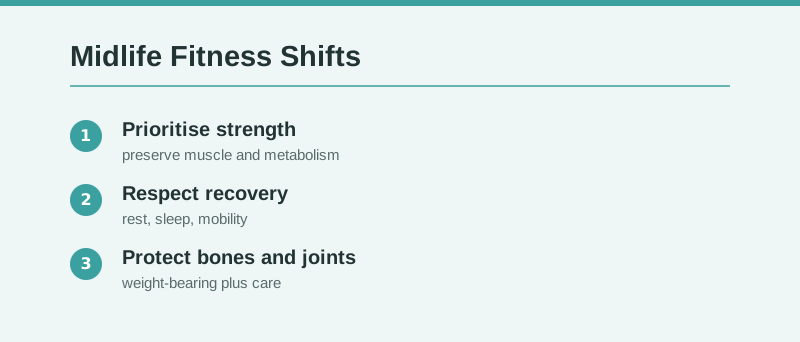
Prioritize strength training. Muscle mass naturally declines with age — a process that accelerates from your 40s — which affects your strength, metabolism, and independence over time. Regular strength work preserves and builds muscle, keeping you strong, boosting your metabolism, and protecting against the frailty that can creep in later. If you add just one thing to your midlife routine, make it this.

Does recovery time actually need to change in midlife?
Yes, genuinely — and respecting it matters more than it did at 25. Recovery takes a bit longer in your 40s and 50s than it once did. Building in adequate rest, prioritizing sleep, and including mobility work keeps you feeling good and training consistently. Pushing hard every day without proper recovery leads to burnout and injury now more than ever — balancing effort with genuine recovery isn’t slacking, it’s what allows you to keep training well for years.

How much does bone health factor into midlife exercise choices?
Quite a lot. Bone density declines with age, especially for women around menopause, making weight-bearing and strength exercise genuinely protective. At the same time, being kind to your joints with good form, warm-ups, and appropriate impact levels keeps you moving comfortably. A mix of strength work (for bones and muscle) and joint-friendly movement supports your body through midlife changes, keeping you both strong and mobile.
Should a midlife workout routine focus on one thing or stay varied?
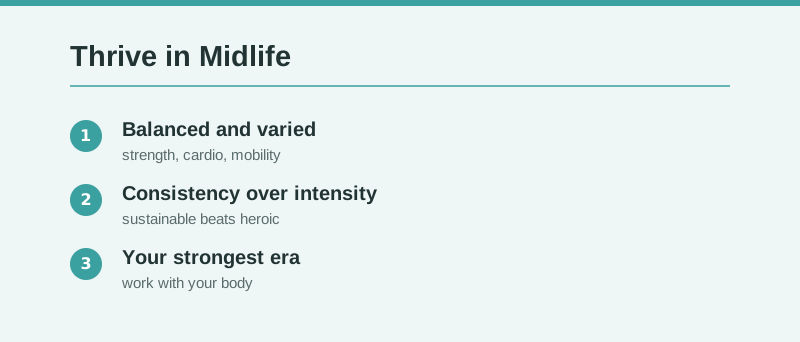
Stay varied — a balanced routine serves you best. Strength work to preserve muscle and bone, cardio for heart health, and mobility and flexibility work to stay supple and prevent stiffness. This variety addresses all the areas that need attention as you age, keeping your whole body capable, rather than hammering one type of exercise and neglecting the rest.
Myth vs. Fact: Fitness After 40
Myth: You should exercise harder in your 40s and 50s to fight the effects of aging. Fact: Consistency, recovery, and strength training matter more than raw intensity — sustainable habits beat heroic, unsustainable efforts.
Myth: High-impact cardio is off-limits after 40. Fact: It’s about form, appropriate impact levels, and adequate warm-up — not a blanket ban, though joint-friendly options deserve a bigger share of the routine.
Myth: Muscle loss after 40 is inevitable and can’t really be addressed. Fact: Regular strength training meaningfully slows and can even reverse age-related muscle loss — it’s one of the most controllable variables in midlife fitness.
FAQ
How many strength sessions per week are ideal in your 40s and 50s?
Two to three sessions covering major muscle groups is a widely supported target, with adequate rest days between sessions to allow the longer recovery midlife bodies need.
Is it too late to start strength training for the first time at 50?
No — starting strength training at any age produces meaningful gains in muscle, bone density, and functional strength; the benefits don’t require a lifetime head start.
When should new aches or pains during exercise be checked by a doctor?
Persistent pain, swelling, or discomfort that doesn’t resolve within a few days of rest is worth discussing with a doctor or physical therapist rather than pushing through it — it’s better to adjust a routine early than to risk a longer setback.
Does hormone change around menopause affect exercise needs?
Yes — shifting hormones during perimenopause and menopause can affect bone density, muscle retention, and recovery speed, which is part of why strength training and adequate recovery both become more important during this stage.
Is it safe to start a new sport or activity for the first time in your 40s or 50s?
Generally yes, with a sensible ramp-up — starting gradually, focusing on form, and allowing extra recovery time lets most people take up new activities safely at this stage, though checking with a doctor first is wise if you have any existing conditions.
TL;DR:
- Prioritize strength training — muscle loss accelerates from your 40s
- Recovery needs more attention now: sleep, rest days, mobility work
- Bone-protective strength work matters more, especially around menopause
- Keep the routine varied: strength, cardio, and mobility together
- New or persistent pain deserves a professional check-in, not pushing through
Staying fit in your 40s and 50s means prioritizing strength training, respecting recovery, protecting your bones and joints, keeping it balanced and varied, and focusing on consistency and how you feel. Adapt smartly to your changing body and this can be your strongest, healthiest era yet. Work with your body rather than against it, and you’ll stay capable and energized for decades to come.
Keep Reading
This article is for general informational and styling purposes only. Fit, sizing, and product availability may vary.