Why Pushing Workout Intensity Higher During Perimenopause Often Backfires Instead of Helping
Weight gain and low energy during perimenopause often trigger an instinct to push workout intensity even higher to compensate, but elevated cortisol sensitivity during this hormonal transition can make very high-intensity training work against the body rather than for it.

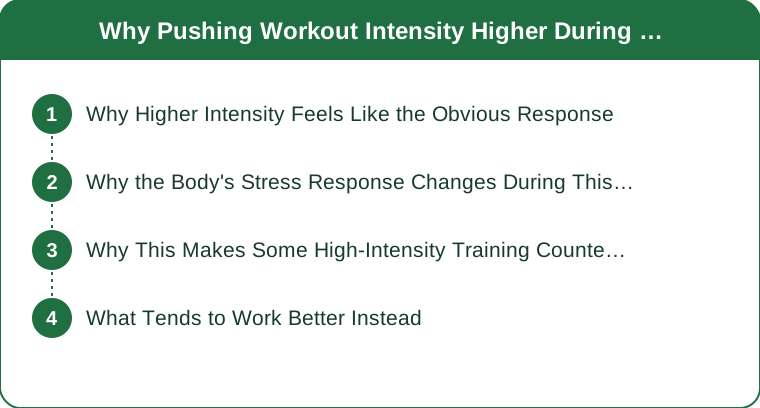
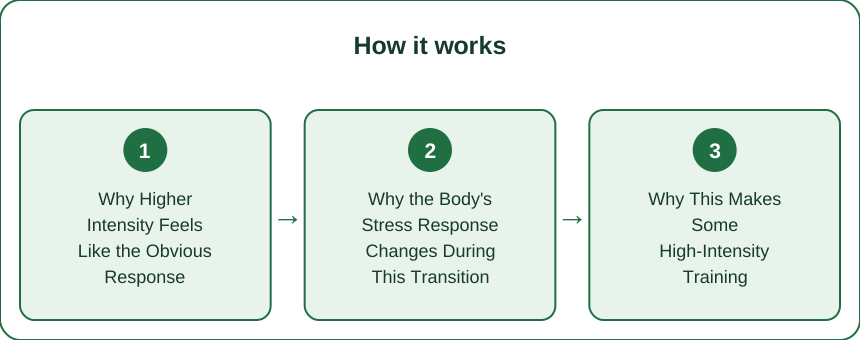
Why Higher Intensity Feels Like the Obvious Response
The instinct: noticeable weight and energy changes during perimenopause naturally prompting a push toward harder, longer, more frequent high-intensity workouts as a way to fight back against those shifts.
Why the Body’s Stress Response Changes During This Transition
The hormonal shift: declining estrogen during perimenopause increasing the body’s sensitivity to cortisol, the stress hormone, which means very high-intensity training that used to feel energizing can instead spike cortisol into a range that promotes fat storage and disrupts sleep.

Why This Makes Some High-Intensity Training Counterproductive
The backfire: elevated cortisol from excessive high-intensity work during perimenopause specifically linked to increased abdominal fat storage and worse recovery, undermining the very goals, weight management and energy, that prompted the harder training in the first place.
What Tends to Work Better Instead
The better approach: prioritizing moderate-intensity strength training and lower-intensity steady cardio, with high-intensity work included in smaller, less frequent doses rather than as the default, and the frame (perimenopause increases cortisol sensitivity, which can make very high-intensity training work against fat loss and energy goals — shifting the balance toward moderate strength and steady cardio is what actually supports the body through this transition.)
Weight gain and low energy during perimenopause often trigger an instinct to push workout intensity even higher to compensate, but declining estrogen during this transition increases the body’s sensitivity to cortisol, the stress hormone, which means very high-intensity training that used to feel energizing can instead spike cortisol into a range that promotes fat storage and disrupts sleep. Elevated cortisol from excessive high-intensity work during perimenopause has specifically been linked to increased abdominal fat storage and worse recovery, undermining the very goals, weight management and energy, that prompted the harder training in the first place, which is why prioritizing moderate-intensity strength training and steady lower-intensity cardio, with high-intensity work included in smaller, less frequent doses, tends to support the body through this transition better than pushing intensity higher across the board.
Keep Reading
This article is for general informational and styling purposes only. Fit, sizing, and product availability may vary.