Why the Same Midlife Workout Feels Harder Some Weeks (It's Not Just Aging)
Quick Answer: The same midlife workout can feel harder some weeks due to hormonal fluctuation (especially during perimenopause), sleep quality, and stress load — not a sudden fitness decline. Hormone shifts can change perceived exertion meaningfully week to week, even with identical training.
You did this exact strength session two weeks ago and it felt manageable. Today, same weights, same reps, and you’re gassed by set two. Nothing about your fitness dropped overnight — but hormonal fluctuation during perimenopause genuinely does change how hard a given effort feels, sometimes week to week.

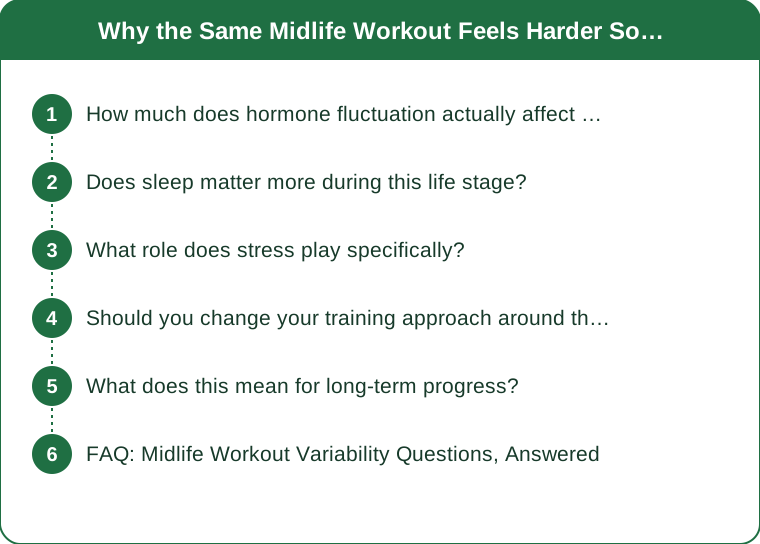
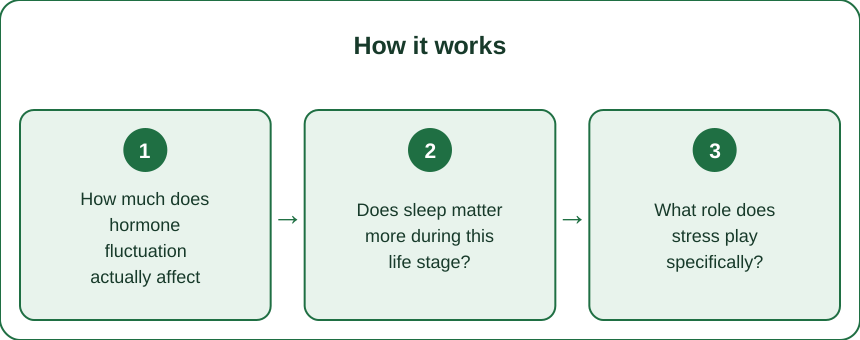
How much does hormone fluctuation actually affect workout difficulty?
Estrogen and progesterone shifts during perimenopause affect energy metabolism, sleep quality, and even joint comfort — all of which independently change how a set of squats feels, separate from your actual strength or cardiovascular fitness level. This is a real physiological effect, not just a mood or motivation issue.
Does sleep matter more during this life stage?
Yes, and it interacts with hormone changes — hot flashes and night sweats common in perimenopause disrupt sleep architecture even when total hours look normal on a tracker. Poor sleep quality (not just quantity) can make an identical workout feel notably harder the next day.
What role does stress play specifically?
Cortisol patterns shift during this transition too, and elevated stress hormones compete with the systems your body uses for workout recovery and energy — a stressful week at work can genuinely make training feel harder, not just feel like it does.

Should you change your training approach around this variability?
Building in flexibility rather than rigid progression works better during this stage — plan a target weight range rather than one fixed number, and treat a harder-than-expected day as data, not failure. Some coaches recommend tracking cycle-related patterns (where relevant) alongside training logs to spot trends.
What does this mean for long-term progress?
Week-to-week variability doesn’t mean progress has stalled — look at monthly trends rather than single sessions. Many women continue building real strength through perimenopause and beyond; the day-to-day noise is real but doesn’t override the underlying trend if training stays consistent.
FAQ: Midlife Workout Variability Questions, Answered
Should I skip workouts entirely on hard-feeling days?
Not necessarily — a lighter version of the same session (reduced weight or volume) usually beats skipping entirely, and keeps the habit and some stimulus intact.
Does strength training help with the symptoms causing this variability?
Regular strength training is associated with better sleep quality and stress resilience over time, which may help stabilize some of this week-to-week swing, though it won’t eliminate hormonal fluctuation itself.
When should hormonal symptoms prompt seeing a doctor rather than just adjusting training?
If symptoms are significantly disrupting daily life, sleep, or mood beyond workout difficulty, that’s worth discussing with a doctor familiar with perimenopause care rather than managing through training adjustments alone. This is general information, not medical advice.
TL;DR:
- Hormonal fluctuation in perimenopause genuinely changes perceived workout difficulty, not just motivation
- Sleep disruption from hot flashes and night sweats compounds the effect
- Plan a weight range instead of a fixed number, and treat hard days as data
- Judge progress by monthly trends, not single sessions — the week-to-week noise is real but not the whole story
A harder week doesn’t mean you’re losing fitness — your body’s running a different set of variables right now.
Keep Reading
This article is for general informational and styling purposes only. Fit, sizing, and product availability may vary.